

Over several years, John Jessen served as a trusted architectural partner to the Smithsonian Institution, designing and supporting a wide range of projects that strengthened the operational, administrative, and cultural infrastructure of the world’s largest museum and research complex. Jessen’s work spanned building renovations, workplace strategies, exhibit-support facilities, and specialized environments—each contributing to the Smithsonian’s mission to increase and diffuse knowledge.
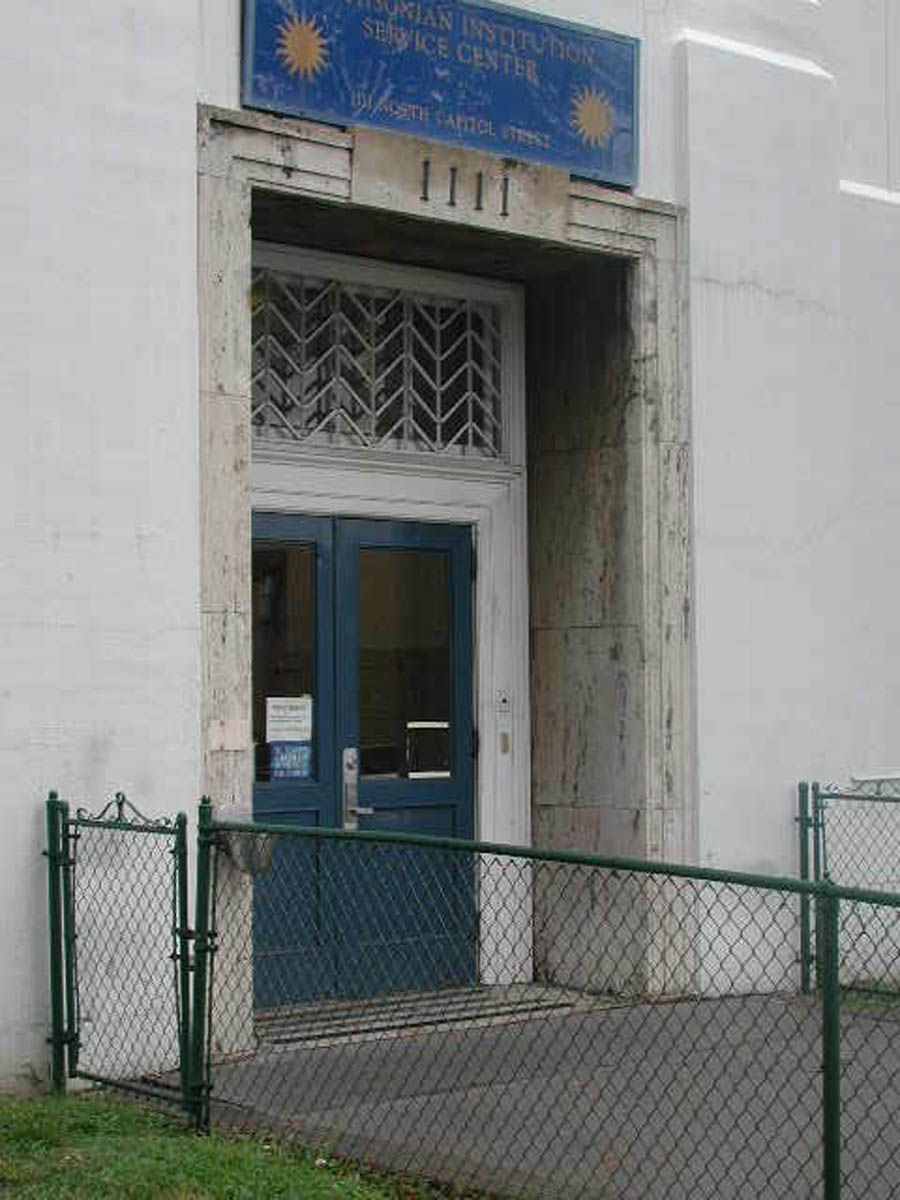
Smithsonian Institution Support Center (SISC) – 1111 North Capitol Street NE
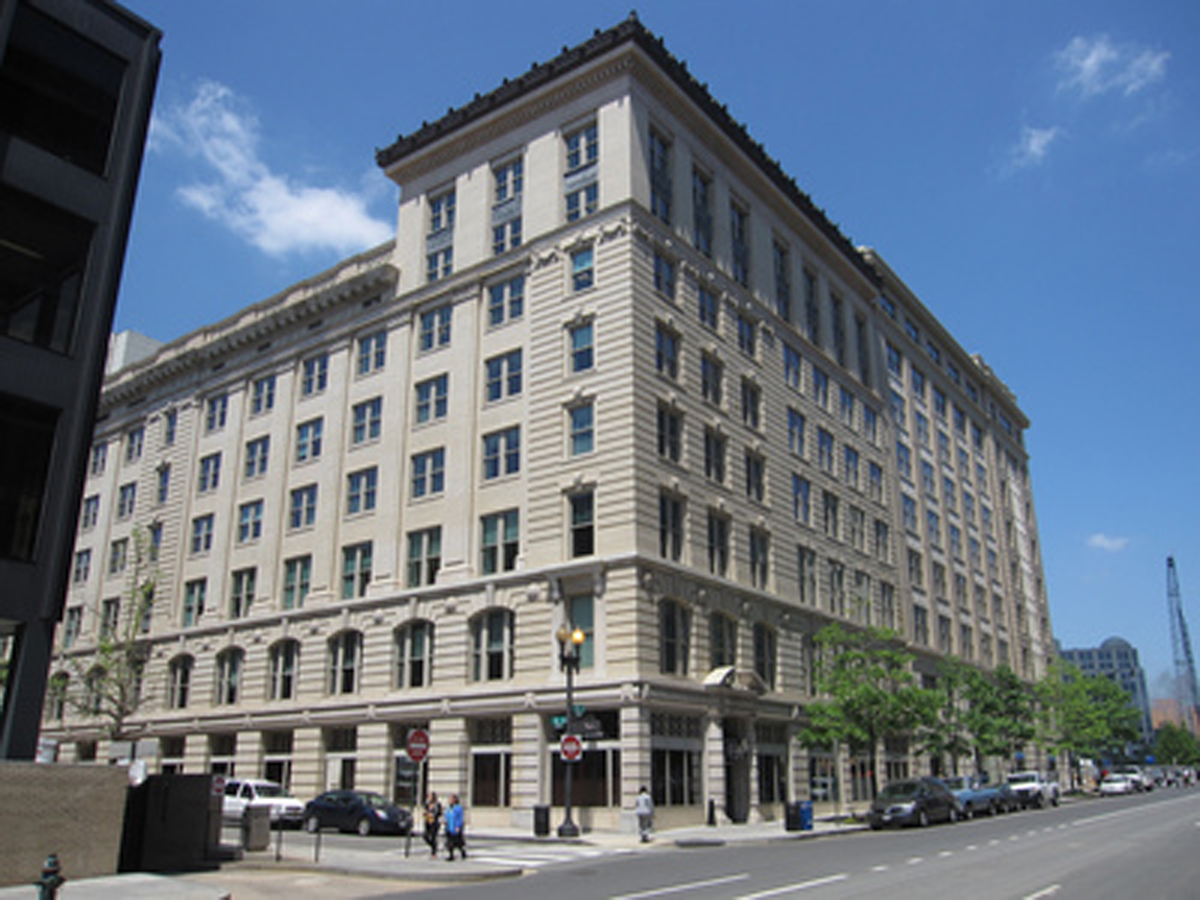
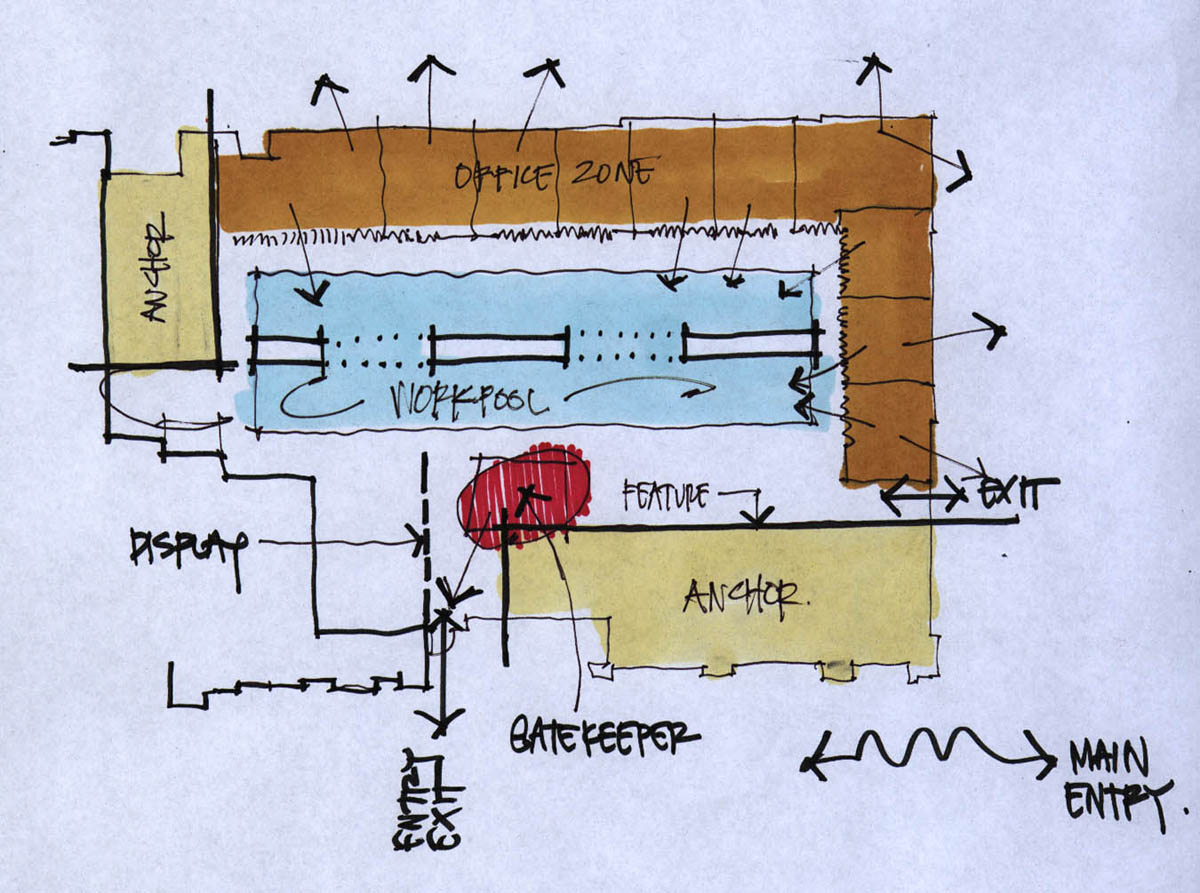
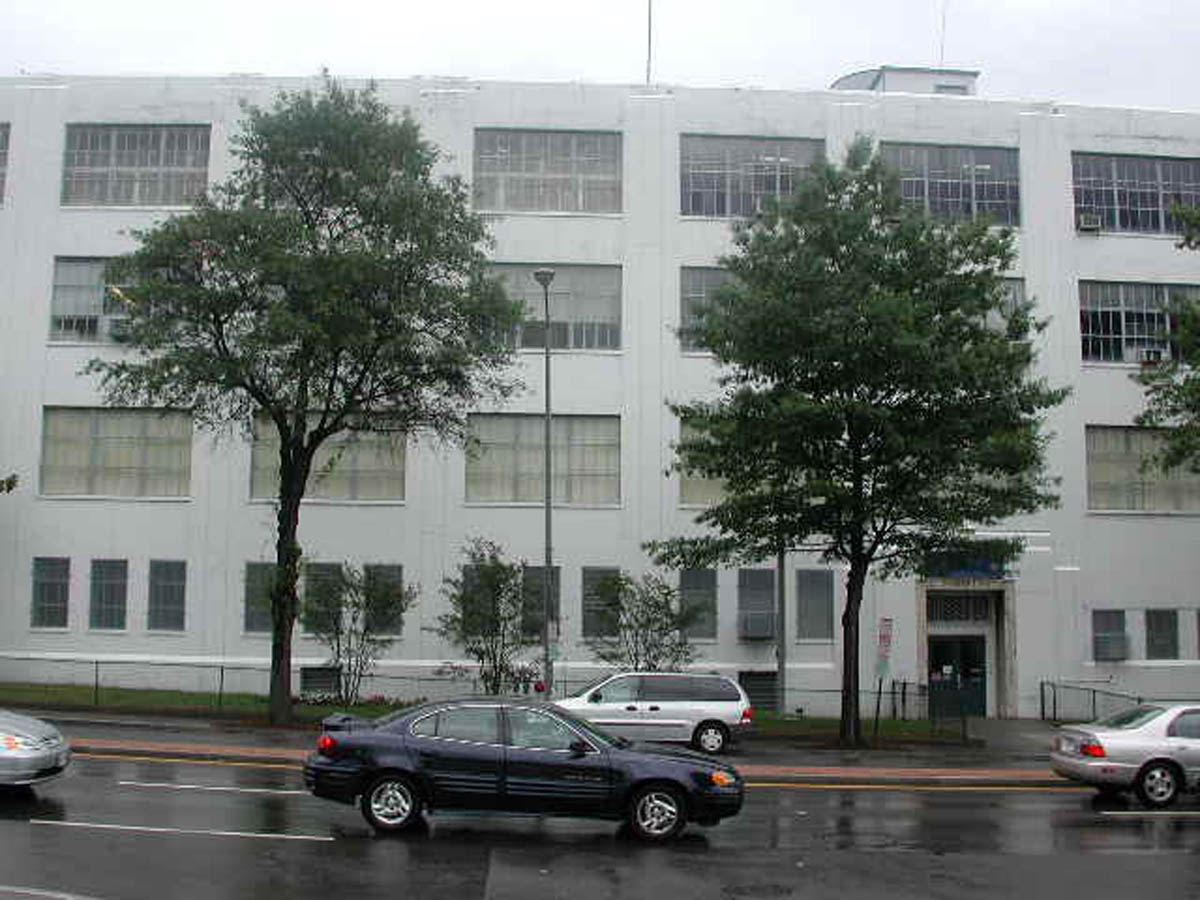
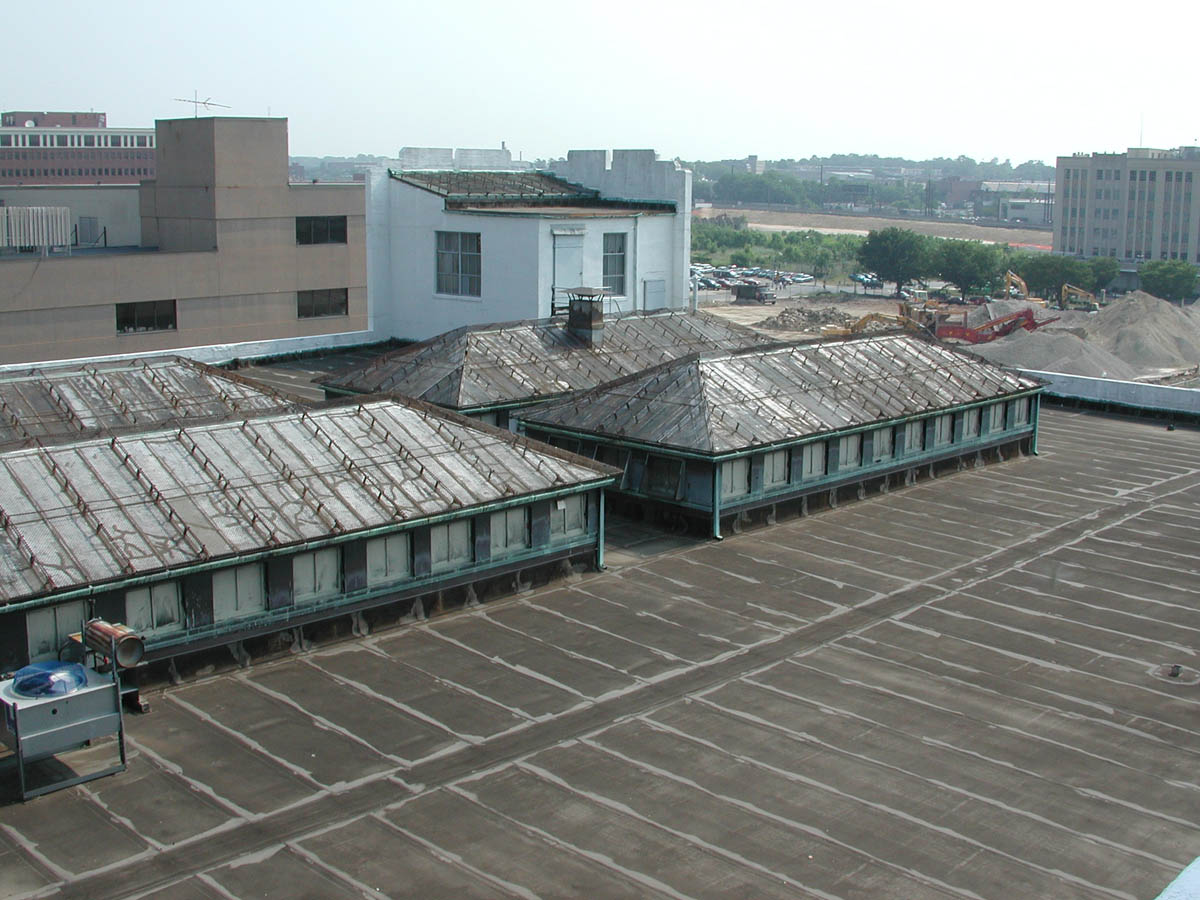
A centerpiece of Jessen’s Smithsonian work was the renovation and adaptation of 1111 North Capitol Street NE, an early 20th-century warehouse building that the Institution transformed into the Smithsonian Institution Service Center (SISC). Serving as Architect for the Smithsonian’s tenant improvements, Jessen helped reorganize and modernize approximately four floors of space to consolidate functions that had previously been scattered throughout Washington, DC.
The facility provided:
- Administrative offices for multiple Smithsonian divisions
- Consolidated storage for institutional support departments
- Supply Division and GPO print shop (relocated from the Arts & Industries Building and Lamont Street)
- Exhibits Central spaces for the design, fabrication, and staging of in-museum exhibits
- Collection storage, including relocation of the Marine Mammal Collection
Originally a telephone company warehouse, the building required creative intervention to support museum-quality fabrication, storage, and administrative operations. Jessen’s work included planning, fit-out design, functional reorganizations, environmental upgrades, and adapting industrial structures for specialized museum workflows—ensuring the Smithsonian could operate efficiently while its museums remained active on the National Mall.
Smithsonian Enterprises – Office Space & Support Environments
Jessen also designed new administrative and operational spaces for Smithsonian Enterprises, the Institution’s commercial subsidiary responsible for:
- Retail operations across 13 museums
- Publishing (Smithsonian and Air & Space magazines)
- Media and documentary production
- Product development and licensing
- Smithsonian Journeys educational travel programs
Because Smithsonian Enterprises generates essential self-produced funding for exhibitions, research, and educational programs, the workspace had to support varied creative, media, and administrative teams. Jessen crafted environments that were flexible, modern, and aligned with the Institution’s public-facing mission.
In-Museum Exhibit Support & Technical Modifications
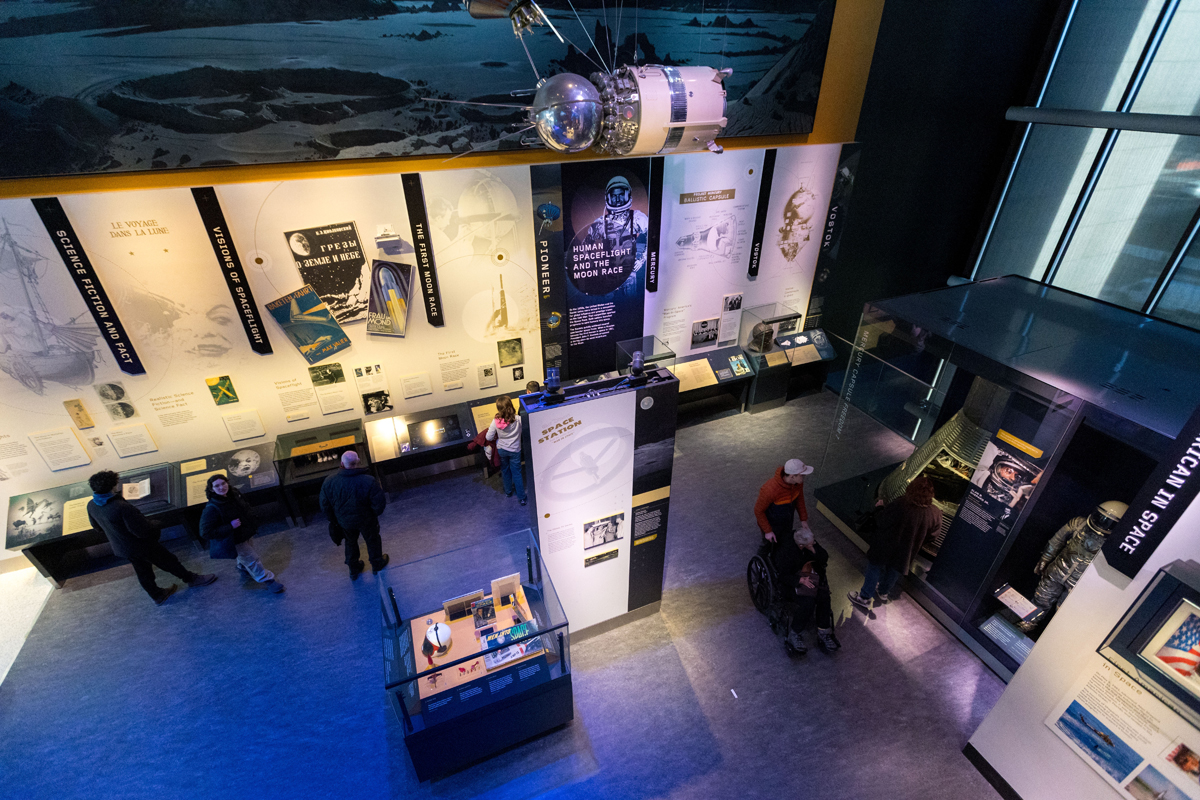
Across numerous museums, Jessen provided architectural support for exhibit-related upgrades, fabrication areas, storage strategies, and technical improvements. These contributions helped ensure that new exhibitions, traveling installations, and specialty displays were effectively supported behind the scenes—reinforcing the Smithsonian’s role as a global leader in public education, science, and the arts.
A Civic & Cultural Impact
The Smithsonian Institution stands as one of the most important cultural and educational organizations in the world. Through his architectural work, John Jessen contributed directly to the Smithsonian’s ability to steward collections, design exhibitions, support staff, and operate efficiently across a complex urban campus. His projects—ranging from large-scale administrative consolidations to exhibit-support spaces and office environments—demonstrate a longstanding commitment to civic, cultural, and public-serving architecture.
Project location: Washington, DC
Project size: varies
Work previously completed by John Jessen as Principal Architect & Architect-of-Record with VOA Associates (now Stantec).