![Microsoft PowerPoint Form Based Code.ppt [Compatibility Mode]](https://jessenarchitects.com/wp-content/uploads/2025/12/CP_FBC_Charette_Presentation-11.jpg "Microsoft PowerPoint Form Based Code.ppt [Compatibility Mode]")
![Microsoft PowerPoint Form Based Code.ppt [Compatibility Mode]](https://jessenarchitects.com/wp-content/uploads/2025/12/Designing-in-Public.jpg "Microsoft PowerPoint Form Based Code.ppt [Compatibility Mode]")
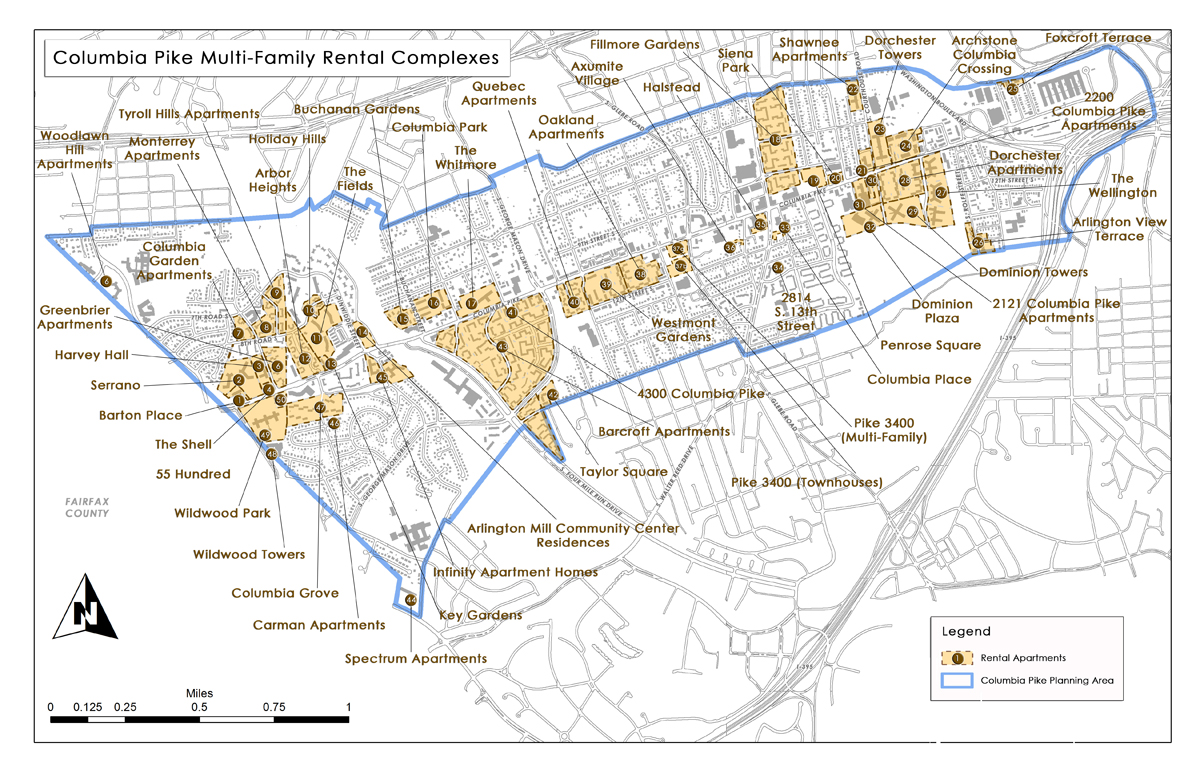
The Columbia Pike Form-Based Code initiative is widely regarded as one of the most transformative civic revitalization efforts in the United States. When Arlington County sought to reposition a declining, auto-oriented suburban corridor into a vibrant, walkable, and culturally rich urban district, it launched a bold new planning approach—one grounded in community visioning, civic engagement, and place-based design. As Principal-in-Charge for VOA Associates, John Jessen played a central leadership role in Phase 1, the foundational stage that established the vision, public process, and design framework that ultimately shaped the successful 20-year redevelopment of Columbia Pike.
Setting the Vision for a New Civic Corridor
In collaboration with Dover-Kohl & Partners, Ferrell Madden Associates, and UrbanAdvantage, Jessen helped guide Arlington County and its community partners through an immersive public charrette process. The goal: replace decades-old conventional zoning with a form-based code that could bring coherence, beauty, and vitality to a corridor long underserved by traditional planning tools.
At the time, Columbia Pike suffered from disinvestment, fragmented suburban strip development, auto dependency, and a lack of transit access. Traditional zoning had failed to deliver meaningful change. The County needed a new approach—one rooted in civic purpose, cultural identity, and community-driven design.
A Storefront Architect’s Studio: Listening at Street Level
As part of the Phase 1 visioning effort, Jessen co-established an architects’ studio in a vacant storefront at a highly visible intersection on Columbia Pike. During “architects’ hours,” the team welcomed residents, business owners, and stakeholders into the studio, creating a transparent, accessible space for dialogue, sketching, critique, and collaboration.
Residents shared their concerns, aspirations, and cultural perspectives—reflecting the Pike’s extraordinarily diverse community, where more than 60 languages were spoken. This highly participatory process helped shape the goals and objectives for the future corridor, and it became a hallmark of the project’s success. Community insight gathered during this phase directly influenced the vision and the resulting Form-Based Code that was later adopted.
Shaping the Plan and Code
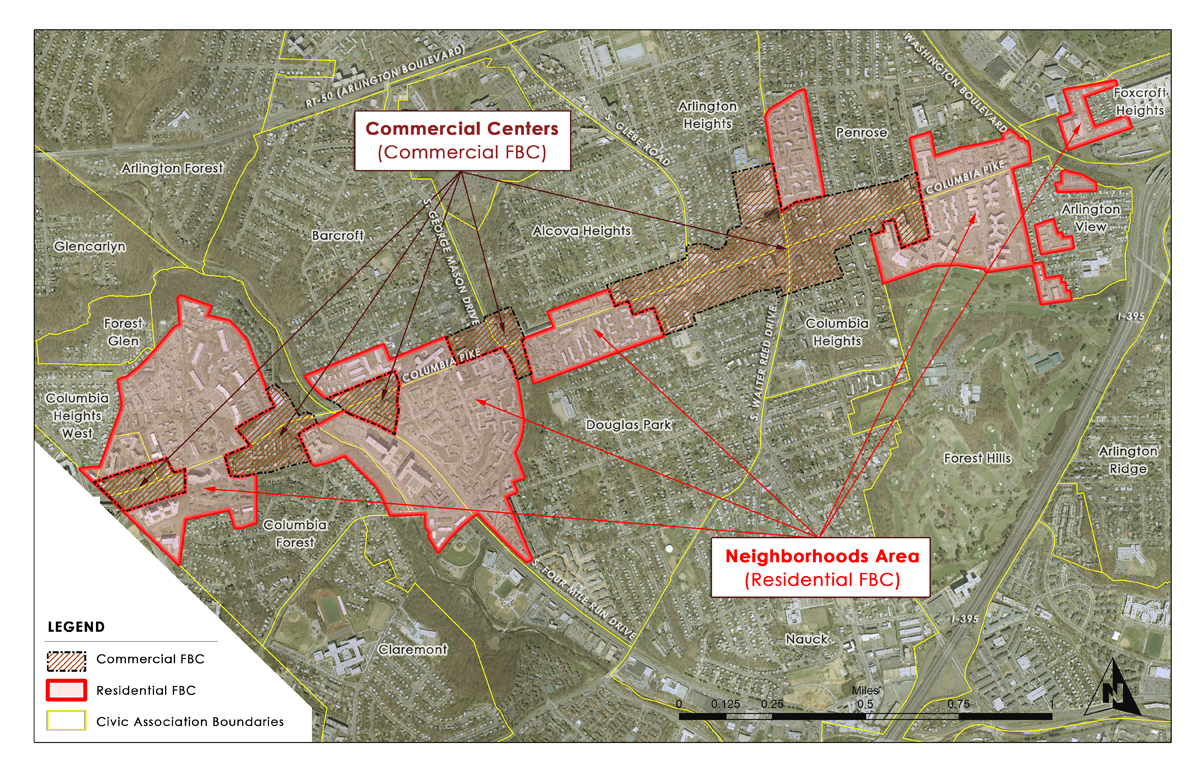
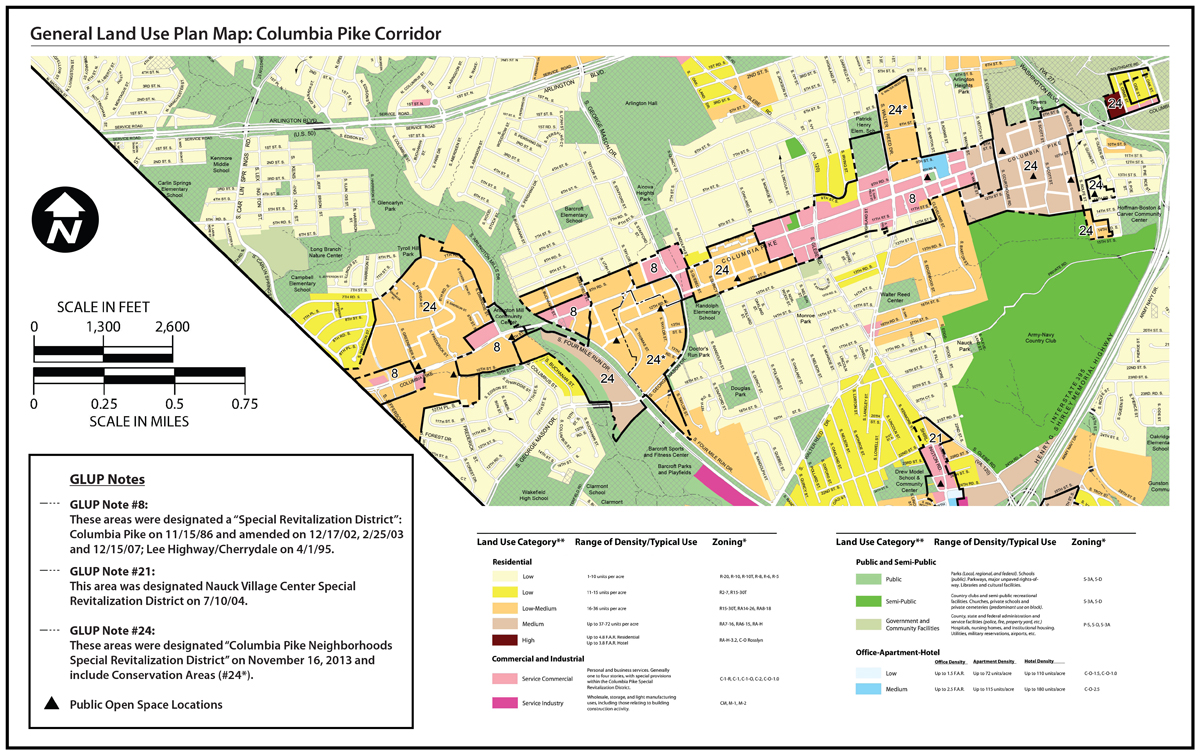
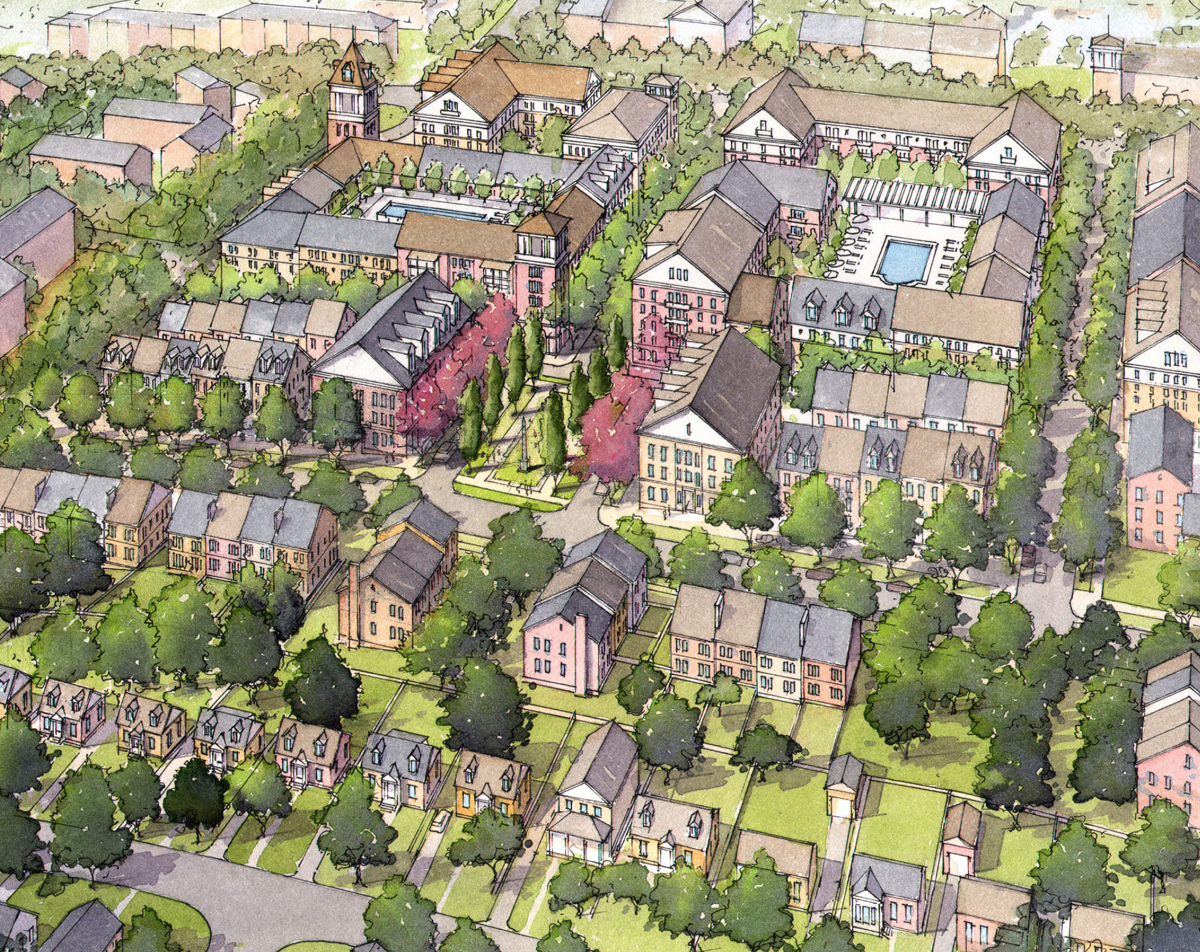
Using charrettes, public meetings, and on-the-ground analysis, Jessen and the consultant team built the initial framework that informed the mixed-use nodes, street character, building forms, and public realm standards that ultimately defined the Code. The Dover-Kohl project documentation notes that over 700 community members participated in these Phase 1 charrettes, producing the illustrations and strategies that formed the basis of the Revitalization District Form-Based Code .
This early work provided:
- the first comprehensive urban vision for the Pike,
- the regulatory structure to implement it, and
- the roadmap for public and private reinvestment.
The Arlington County Board unanimously adopted the Form-Based Code in 2003—making it one of the earliest and most extensive applications of form-based coding in the United States.
Twenty Years of Civic Transformation
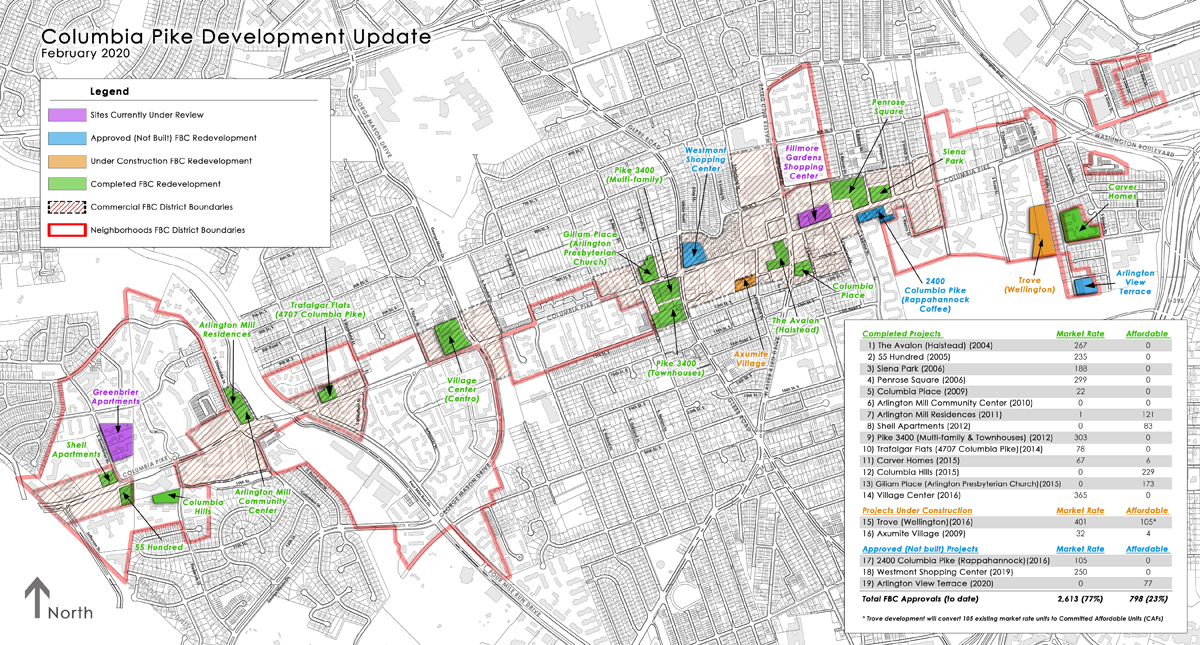
The 2024 CNU “20-Year Review” documented the profound impact of the Columbia Pike vision and Code. Since adoption, the corridor has seen:
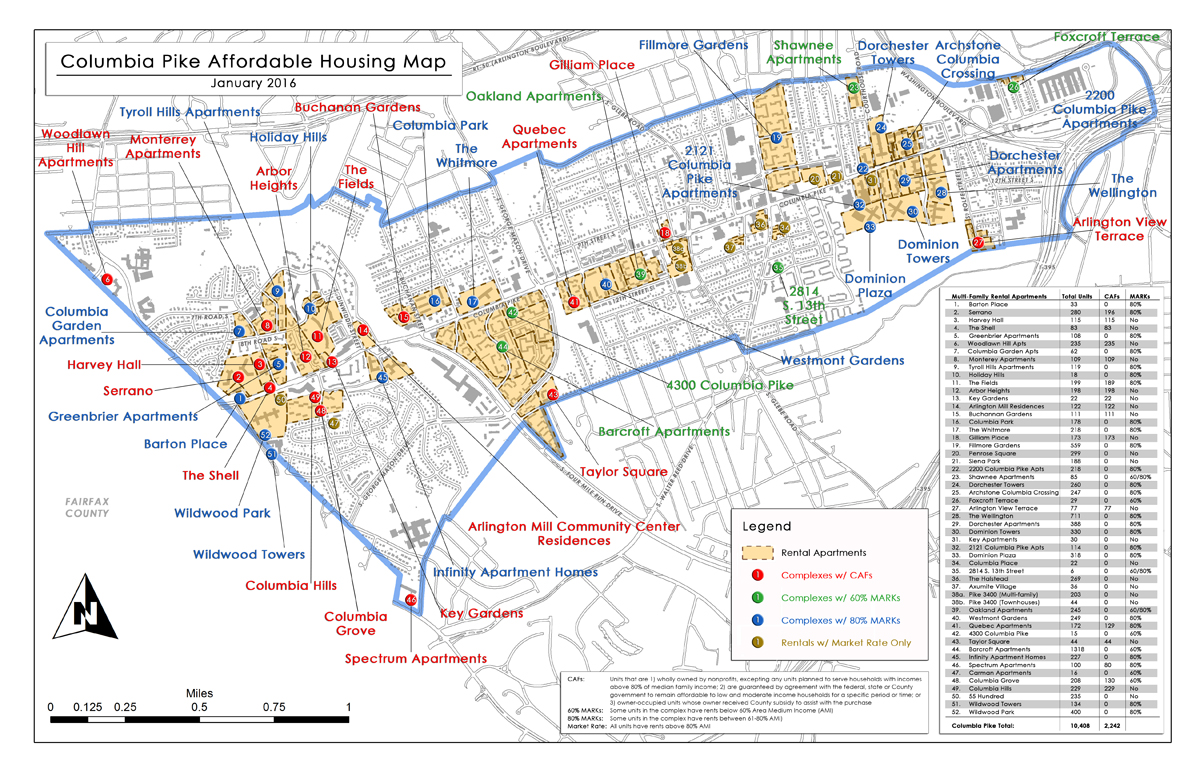
- 3,400 new housing units, including 900 affordable units
- 350,000 SF of new commercial space
- a new 53,000 SF community center
- multiple plazas, squares, parks, and grocery stores
- the first major mixed-use developments built on the corridor in more than 40 years
These accomplishments reflect the long-term success of the planning principles established during Phase 1—principles Jessen helped shape at their inception.
A Civic & Cultural Legacy
Today, Columbia Pike is regarded as a national model for corridor revitalization, civic placemaking, and inclusive community engagement. The project demonstrates how visionary planning, grounded in cultural understanding and architectural leadership, can catalyze large-scale transformation.
John Jessen’s leadership during Phase 1 laid the groundwork for everything that followed. His work helped establish the vision, facilitate meaningful community participation, and craft the design framework that allowed Columbia Pike’s civic and cultural renaissance to unfold over the past two decades.
Project location: Arlington, VA
Project size: 3.5-mile corridor
Work previously completed by John Jessen as Principal Architect & Architect-of-Record with VOA Associates (now Stantec).